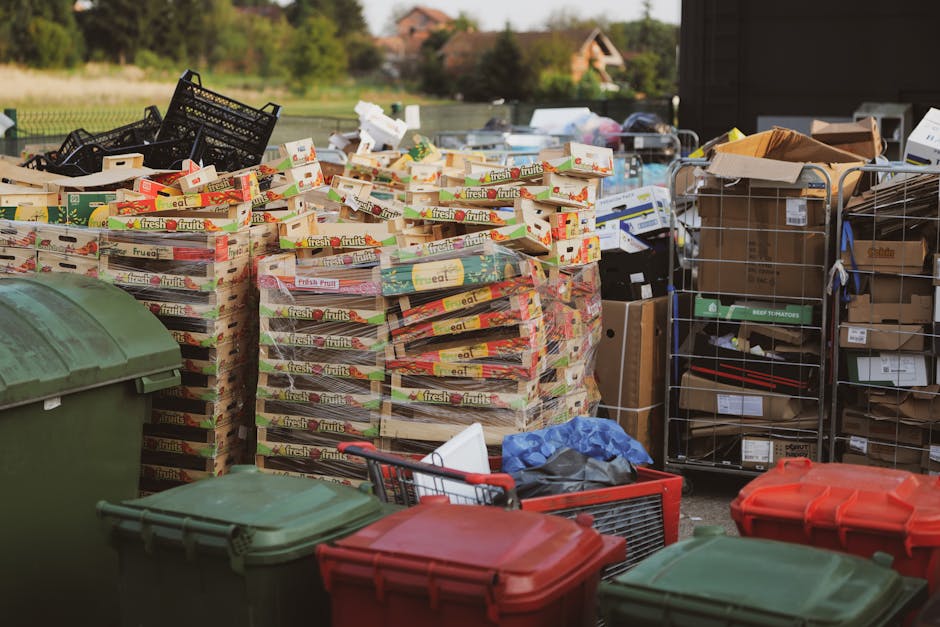
Common Recycling Mistakes That Contaminate Collected Loads
Recycling sounds simple until a load gets rejected, downgraded, or sent back through sorting because of one thing: contamination. The tricky part is that the most common recycling mistakes that contaminate collected loads are usually small, everyday slips. A greasy takeaway box. A black sack with mixed waste. A glass bottle with liquid still inside. Nothing dramatic. Yet that's often enough to spoil an otherwise useful load.
If you've ever stood over the bin at the end of a busy day wondering, "Was that actually recyclable?", you're not alone. The good news is that contamination is mostly preventable once you understand how it happens, what recyclers are looking for, and which habits cause the biggest problems. This guide breaks it down in plain English, with practical examples and a clear checklist you can use straight away. If your recycling habits are part of a bigger clearance or waste plan, it also helps to understand the wider picture through recycling and sustainability guidance and the service options available via waste removal.
To be fair, most people want to do the right thing. They just need a more precise map.
Table of Contents
- Why contamination in collected loads matters
- How contamination spreads through a recycling load
- Key benefits of getting it right
- Who needs this guidance
- Step-by-step recycling guidance
- Expert tips for cleaner recycling
- Common mistakes to avoid
- Tools, resources and recommendations
- Law, compliance and best practice
- Options, methods and comparison
- Real-world example
- Practical checklist
- Conclusion
- Frequently asked questions
Why Common Recycling Mistakes That Contaminate Collected Loads Matters
Contamination matters because recycling is not just about collecting materials; it is about preserving the value of those materials. When a load contains the wrong items, it becomes harder to sort, more expensive to process, and sometimes not worth processing at all. A collection that should have been a clean stream of paper, cardboard, cans, plastics, or glass can become mixed waste in practice. That means more material is lost, more transport is needed, and more effort is spent pulling out the unusable bits. Not ideal.
There's also a trust issue. Residents and businesses are often told to recycle, then find out later that the bin was rejected or the load was contaminated. That can feel frustrating, even a bit defeating. But the issue is rarely the idea of recycling itself. It's usually the day-to-day habits: putting the wrong thing in the right bin, leaving food residue behind, or assuming "close enough" is good enough. It isn't.
In shared housing, offices, and commercial premises, contamination can spread fast. One person throws a coffee cup into paper recycling. Another adds a plastic bag with food scraps. By collection day, the whole load may be compromised. For landlords, facilities managers, and households alike, the cost of one person's mistake can affect everyone.
Expert summary: clean recycling is not about perfection; it is about consistency. The fewer unknown items in the bin, the better the chance that collected loads stay valuable, sortable, and accepted.
How Common Recycling Mistakes That Contaminate Collected Loads Works
Contamination happens when non-recyclable items, dirty containers, or the wrong material streams are mixed into a recycling load. During collection, those items travel with the rest of the material to a sorting facility. There, the load may be checked manually and by machinery. If too many incorrect items are present, the whole load can be diverted, downgraded, or rejected.
In simple terms, recycling works best when materials are separated by type and kept reasonably clean. Paper wants to stay dry. Glass should not be full of food. Metal cans should not be packed with ash, liquid, or food waste. Plastic packaging is often accepted only if it is the right type and not heavily soiled. This is where people often go wrong. They see a symbol, assume the item is fine, and move on. But a recycling symbol is not a free pass. Annoying, yes. Important, absolutely.
Contamination can happen at several stages:
- At the point of disposal: the wrong item is placed in the recycling bin.
- During collection: loose liquids, bags, or mixed sacks spread contamination through the load.
- At storage: wet cardboard, broken glass, or food waste seeps into nearby materials.
- In shared bins: one household or department causes a wider problem for everyone else.
For properties with bigger clear-outs, the risk can rise quickly. A loft packed with old boxes, a garage with paint tins, or an office clearing years of mixed stationery and packaging all create opportunities for contamination. If you're planning a larger purge, a service such as loft clearance, garage clearance, or office clearance can help separate recyclable from non-recyclable material before it reaches collection.
Key Benefits and Practical Advantages
Getting recycling right is not just a feel-good exercise. There are practical benefits you notice fairly quickly.
- Fewer rejected collections: clean loads are less likely to be turned away.
- Better use of space: sorted materials are easier to store and collect.
- Less mess and smell: food waste and liquids do not leak through bins.
- Improved staff or household habits: people become more confident about what goes where.
- Lower handling time: fewer errors mean less sorting later.
- Better reputation: useful for businesses, landlords, schools, and shared buildings.
There is also a quieter benefit: peace of mind. You stop second-guessing yourself every time you stand by the bin. That matters more than people admit. A tidy, reliable system makes recycling feel doable rather than fiddly.
For businesses, the advantage is even more obvious. A cleaner recycling stream supports better waste separation, easier compliance with internal procedures, and fewer headaches for facilities teams. If your premises generate a steady amount of packaging, office paper, or mixed waste, pairing good recycling habits with a structured service such as business waste removal can make day-to-day management much smoother.
Who This Is For and When It Makes Sense
This guidance is useful for almost anyone handling recyclable material, but some groups benefit more than others.
- Households: especially busy homes where bins fill up fast and everyone uses them differently.
- Flat shares and HMOs: contamination is common when several people share bins and routines.
- Businesses and offices: paper, packaging, food containers, and takeaway waste can get mixed quickly.
- Landlords and property managers: one shared container can become a problem without clear rules.
- Tradespeople and builders: site waste often includes packaging, scrap, and non-recyclable debris together.
- House-clearance customers: old homes often contain a muddle of materials, especially in lofts and garages.
It makes sense any time your waste stream is not a simple one. If a room, property, or work site has accumulated clutter over time, mixed materials are almost guaranteed. That's why services like house clearance, home clearance, flat clearance, and builders waste clearance can be helpful when there's a lot to sort and you want recyclables kept clean from the start.
Truth be told, the biggest mistakes happen when people assume someone else will sort it later. That's usually where contamination sneaks in.
Step-by-Step Guidance
If you want cleaner loads, the answer is not to become obsessive. It's to build a simple routine that is easy to repeat on a busy Tuesday morning or after a long shift.
1. Separate by material before you throw anything away
Keep paper, cardboard, plastics, metals, glass, and general waste apart as much as your local system allows. If one bin is clearly for food packaging and another is for dry paper, don't blur the lines.
2. Empty containers before recycling them
Loose liquids are one of the simplest ways to contaminate a load. A bottle with leftover sauce or a tin with half a can of paint inside can spread residue onto other items. You do not need to scrub everything spotless, but a quick empty-and-drain routine helps enormously.
3. Keep recyclables dry
Wet cardboard is a classic problem. Once it becomes soggy, it can be much less useful. Try not to store boxes on damp floors, by leaky doors, or in places where rain can blow in. A wet delivery box in the hallway seems harmless. Then the whole stack gets damp. It happens fast.
4. Remove obvious contaminants
Food scraps, tissues, nappies, pet waste, ash, and garden soil should not be mixed into recycling. The same goes for broken glass hidden inside paper waste or plastic bags full of mixed rubbish. If you wouldn't want to reach into it twice, it probably does not belong in recycling.
5. Unwrap packaging where practical
Cardboard boxes lined with plastic, cartons with food residue, and mixed-material packaging can be awkward. If it is easy to separate components, do it. If not, keep it out until you can check the right disposal route.
6. Flatten and sort before collection
Flattening cardboard makes storage easier and helps keep the recycling area tidy. It also makes it more obvious when a box contains non-recyclable fillers like tape, foam, or leftover plastic wrap.
7. Use the right route for odd items
Some items look recyclable but need a different route because of size, material mix, or contamination risk. Old furniture, broken household items, and mixed bulky waste often need dedicated disposal rather than being squeezed into recycling. In those cases, services such as furniture clearance, furniture disposal, or broader waste removal may be the cleaner option.
Expert Tips for Better Results
Here are the habits that make the biggest difference in real life, not just on paper.
- Put a small sign near the bin: simple reminders work better than long instructions.
- Use separate containers indoors: one for dry recycling, one for food waste, one for general rubbish.
- Watch the "wishcycling" habit: that is when people recycle something because they hope it can be recycled. Hope is lovely. Not a sorting method.
- Check lids, liners, and bags: some systems do not want recycling in tied plastic sacks.
- Keep a clean-out routine: once a week, glance at the bin and remove obvious wrong items before collection day.
- Train the whole household or team: one confident person cannot rescue a bin full of mixed habits forever.
A small operational tip: if your bin area smells sour or looks sticky, contamination is already happening. That is usually the warning sign people ignore. The earlier you fix it, the easier it is to get back on track.
And yes, it can feel a bit much at first. But after a week or two, most of it becomes automatic.
Common Mistakes to Avoid
These are the repeat offenders. The usual suspects. The stuff that causes most of the trouble.
Putting food-soiled packaging straight into recycling
Pizza boxes with grease, yoghurt pots with residue, and sauce-covered tubs are regular culprits. A light stain may be acceptable in some systems, but heavy food contamination often causes problems. If in doubt, remove the clean recyclable part and discard the dirty part appropriately.
Mixing general waste with recycling
It sounds obvious, but it happens constantly. Tea bags, tissues, wipes, cling film, crisp packets, and mixed takeaway waste often end up in the wrong stream because they were tossed in a hurry.
Using bin bags for everything
A tied black sack full of mixed items is one of the fastest ways to create a contaminated load. Even if the contents include recyclable material, once they are all bundled together, the value drops sharply.
Leaving liquids in bottles or cans
Leftover beer, milk, oil, or paint residue can spread through the bin. A small amount can stain paper and cardboard. One slosh, and that's that.
Ignoring local instructions
Different collection systems accept different materials. What works in one place may not work in another. Assuming all recycling bins work the same way is a common mistake, especially in flats, offices, and shared properties.
Recycling broken items without checking first
Broken toys, mirrors, ceramics, and composite items are easy to misjudge. If the item is made of several materials or is contaminated by dust, glue, or food, it may need a different route.
Commingling recycling from a clear-out
When people clear a loft, garage, or office, they often gather everything into one pile first. Helpful in the moment, but risky later. Sorting as you go is much safer than trying to rescue a mixed mountain afterwards.
Tools, Resources and Recommendations
You do not need a lot of equipment to improve recycling quality, but a few simple tools help.
- Clearly labelled bins or boxes: especially useful in shared homes and workplaces.
- Basic bin stickers or signs: ideal for reminding people what belongs where.
- Stackable crates or lidded containers: good for keeping paper dry and separate.
- Dustpan and brush: surprisingly useful for keeping the recycling area clean and tidy.
- Heavy-duty gloves: helpful when clearing out garages, lofts, or offices with mixed waste.
- Sorting bags for staging only: useful while organising waste, though not always for final recycling collection.
If you're doing a full property clear-out, a staged approach works best: separate keep, recycle, donate, and dispose piles first. Then move recyclable material into the right container. It sounds almost too simple, but it saves time later. You can also explore garage clearance and loft clearance if you're dealing with hidden clutter that has been building up for years.
Practical recommendation: keep one small "question bin" aside for items you are not sure about. That way, uncertain items do not contaminate the main recycling load while you decide what to do with them.
Law, Compliance, Standards, or Best Practice
Recycling contamination is not just a household annoyance. In the UK, businesses and property managers are generally expected to handle waste responsibly and separate materials where required by their service arrangements and waste handling duties. The exact requirements depend on the type of waste, the local collection setup, and the nature of the premises.
For that reason, it is wise not to rely on guesswork. Councils, contractors, landlords, and businesses often have their own accepted materials lists and collection rules. A "close enough" approach can lead to rejected bins, extra handling, or additional costs. In commercial settings, poor segregation can also create avoidable problems for health and safety and for the people who move the bins, sort the waste, or collect it.
Best practice is straightforward:
- know what your collection accepts
- keep recyclable streams separate from general waste
- avoid contamination from liquids and food residue
- train anyone using the bins
- store waste neatly and safely until collection
If you run a workplace, it also makes sense to align recycling habits with your internal safety and waste procedures. Clear bin placement, sensible access routes, and tidy storage all help. For more context on safe handling and operational standards, it can be useful to review health and safety policy information alongside insurance and safety guidance.
Options, Methods, or Comparison Table
Different approaches work better depending on the setting. Here's a simple comparison that shows where contamination tends to creep in and what helps most.
| Method | Best for | Contamination risk | Why it works or fails |
|---|---|---|---|
| Single-bin recycling at home | Small households with simple routines | Medium | Easy to use, but one wrong item can spread through the load if nobody checks before collection. |
| Separated bins by material | Shared homes, offices, and managed sites | Low to medium | Clearer sorting reduces mix-ups, though people still need guidance. |
| Bagged mixed recycling | Temporary staging only | High | Convenient for moving items, but not ideal for final collection because bags hide contamination. |
| Pre-sorted clear-out piles | Loft, garage, home, and office clearances | Low | Best when done carefully; recyclable and non-recyclable items are separated before loading. |
For many people, the best option is not one method forever. It's a mix. A home may use simple bins day to day, then switch to a more structured sort during a larger clearance. That's normal. Real life is messy, after all.
Case Study or Real-World Example
Picture a small office in central London on a Thursday afternoon. The team has been clearing out cupboards, old stationery, archived files, damaged packaging, and a few broken desk items. At first, everything goes into the same pile because everyone is in a rush and the floor space is tight. There's cardboard on one side, plastic wrap on another, and a couple of takeaway cups with cold tea still in them. Not terrible, just busy.
Then someone pauses and sorts the waste into three simple streams: dry cardboard and paper, clean plastic and metal packaging, and non-recyclable mixed waste. The cups are emptied, the greasy food boxes are separated, and the broken office chair parts are set aside for the right disposal route. By the end, the recycling pile looks much cleaner, and the final load is far easier to manage.
The useful lesson here is not that the office did everything perfectly. They didn't. The point is that a small reset saved the rest of the load. That is often how good recycling happens in practice. One person notices, one person slows things down, and the whole result improves. Simple, but powerful.
Practical Checklist
Use this before a collection day or after a clear-out.
- Are bottles, cans, and containers empty?
- Is any cardboard wet, greasy, or food-stained?
- Have you removed tissues, wipes, and general waste from recycling?
- Are bags used only where your collection allows them?
- Have you separated mixed materials where possible?
- Are broken or awkward items set aside for a different disposal route?
- Is the bin area clean, dry, and easy to access?
- Has everyone using the bin been told the basic rules?
- Have you checked for hidden contamination inside boxes, drawers, or sacks?
- Do you have a plan for bulky items that should not go into recycling?
If you can tick most of those boxes, you're already ahead of many households and workplaces. And if you can't, that's fine too. Start with the messiest one first. Usually that's enough to make a real difference.
Conclusion
Common recycling mistakes that contaminate collected loads are usually not dramatic. They're small, ordinary, and easy to overlook. But that is exactly why they matter. A bit of food residue here, a mixed sack there, a soggy box at the bottom of the pile - and suddenly the whole load becomes harder to process.
The fix is also ordinary: sort carefully, keep materials dry, remove obvious contaminants, and make the right choice for bulky or awkward waste. Once those habits become routine, recycling stops feeling like a gamble and starts feeling dependable. That's a nice place to be.
If you are dealing with a larger property clear-out, or you simply want a cleaner, safer way to separate recyclable and non-recyclable material, it may help to look at the wider service options and choose the route that keeps contamination to a minimum.
Get a free quote today and see how much you can save.
Frequently Asked Questions
What are the most common recycling mistakes that contaminate collected loads?
The biggest ones are food-soiled packaging, liquids left in containers, mixed rubbish in recycling bins, wet cardboard, and items that do not belong in the collection stream. These mistakes are simple, but they cause most of the trouble.
Does one wrong item really contaminate the whole load?
Sometimes yes, sometimes no. It depends on the type of contamination, how much there is, and how the load is sorted later. A single item may not ruin everything, but repeated mistakes can make a load much harder to process.
Can I recycle pizza boxes?
If the box is heavily greasy or covered in food, it is often better not to put it in recycling. If only part of the box is clean, some people tear off the clean section for recycling and discard the dirty part separately, depending on local guidance.
Why is wet cardboard such a problem?
Wet cardboard loses value and can affect nearby paper materials. It tears easily, sticks together, and is harder to sort. Keeping cardboard dry is one of the easiest ways to avoid contamination.
Should recycling be rinsed before it goes in the bin?
It should usually be empty and reasonably clean, but not necessarily scrubbed spotless. A quick rinse is often enough for jars, bottles, and cans if your system accepts them. The main point is to remove food residue and liquids.
Are plastic bags recyclable in mixed recycling?
Not always. Many collections do not want loose plastic bags in the main recycling bin because they can jam sorting equipment or confuse the process. Check the accepted materials for your local collection or service.
What should I do with mixed items I am not sure about?
Set them aside in a separate "check later" pile rather than guessing. That little pause can prevent contamination. If an item is bulky, composite, or dirty, it may need a different disposal route.
How can businesses reduce recycling contamination?
Use clear bin labels, train staff, keep general waste separate, and give people a simple system they can actually follow. Offices, shops, and sites do much better when the rules are obvious and the bins are easy to use.
Is recycling from a loft or garage more likely to be contaminated?
Yes, often it is. Stored items tend to collect dust, moisture, broken bits, and mixed materials. A loft or garage clear-out usually needs more sorting than everyday household recycling.
What is the difference between contamination and general recycling rejection?
Contamination means the load contains incorrect or dirty materials. Rejection is the result that may follow if the contamination is too severe. In other words, contamination is the problem; rejection is what can happen because of it.
Can I put broken furniture into recycling?
Usually not as standard recycling. Furniture often contains multiple materials, fixings, foam, fabric, or treated wood, which makes it unsuitable for a normal recycling bin. Dedicated disposal or clearance is usually more appropriate.
What is the best way to keep recycling habits consistent at home?
Keep labels simple, place bins where people naturally use them, and make sure everyone in the home knows the basic rules. A routine that feels easy is far more likely to stick. That's the real trick, honestly.
For larger projects, unusual items, or a full reset of your waste setup, it may help to pair good recycling habits with the right clearance support and a clear collection plan. That way, the load stays cleaner and the whole process feels less stressful, which is no small thing.