Why Leaving Waste on Pavements Is Risky: Top Mistakes to Avoid
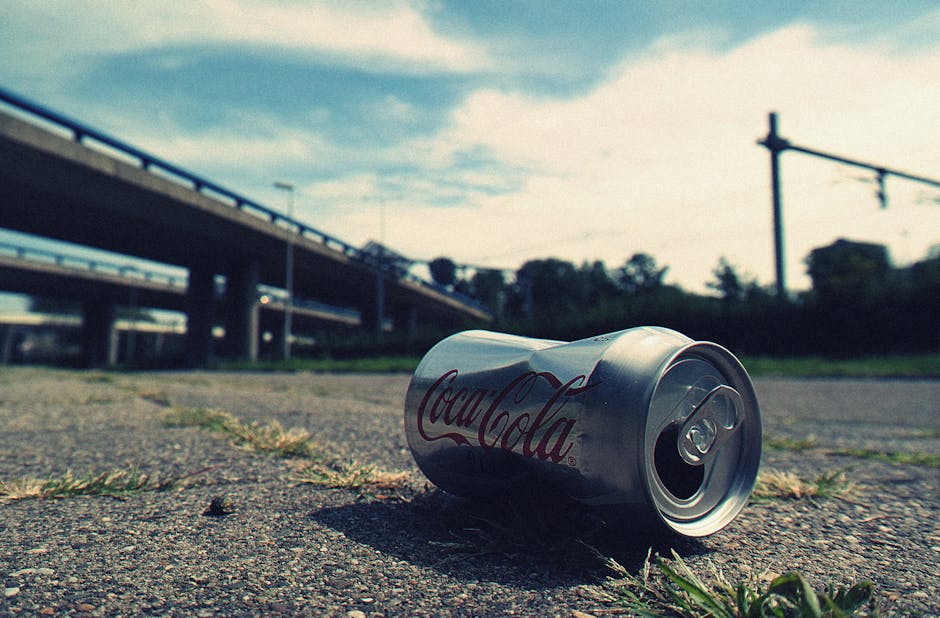
Leaving rubbish, old furniture, builders' debris, or bagged household waste on a pavement can look like a quick fix. The bin is full, the skip is delayed, the van is coming later, and for a moment the kerb seems like the obvious answer. But in practice, that small decision can create a chain of problems very quickly. This guide on Why Leaving Waste on Pavements Is Risky: Top Mistakes to Avoid breaks down the real-world dangers, the common slip-ups people make, and the practical steps that help you avoid nuisance, safety issues, and unnecessary stress.
If you've ever stood at the front door on a wet Tuesday morning, glancing at a pile of waste and wondering whether it can "just sit there for a bit", you're not alone. Truth be told, that's exactly when most mistakes happen. The good news? Once you understand the risks, the safer way forward is usually straightforward.
Why Why Leaving Waste on Pavements Is Risky: Top Mistakes to Avoid Matters
The risk is bigger than many people expect. Waste on pavements can obstruct pedestrians, make a street feel messy fast, attract complaints from neighbours, and create hazards for children, older people, wheelchair users, and anyone carrying bags in a hurry. A single broken chair leg or loose board can turn an ordinary pavement into a trip point. And if weather turns, damp cardboard and torn sacks tend to spread, not stay neatly stacked.
There's also the reputation side of it. Outside a home, flat, shop, office, or building site, waste left out in the open signals poor control. For businesses especially, that can undermine trust. For homeowners, it can lead to awkward conversations with neighbours or managing agents. In dense parts of London, where footfall is constant and space is tight, a small pile quickly becomes someone else's problem.
One thing people miss is how quickly "temporary" becomes "ignored". A bag left for one evening can sit there longer than planned if collection falls through, if it rains, or if no one takes responsibility. Then it becomes part of the streetscape. Not ideal.
How Why Leaving Waste on Pavements Is Risky: Top Mistakes to Avoid Works
At street level, the issue works in a simple way: waste placed on a pavement creates a shared-space risk. Pedestrians have to move around it, pushchairs and mobility aids may be forced into the road, and smaller loose items can blow away or be dragged into drains. If the material includes sharp, heavy, unstable, or wet items, the danger rises again.
In practical terms, the problem often begins with a scheduling gap. Someone clears a room, removes furniture, or starts a building job, but the waste is not collected immediately. The result is a waiting pile. If the waste was packed badly, even a light breeze can uncover it. If it includes mixed rubbish, there's a chance some of it could be recyclable, reusable, or simply better handled through a planned waste removal service rather than left on the pavement at all.
For larger jobs, this is even more noticeable. Builder's rubble, broken plasterboard, old cupboards, and mixed materials can't just be "parked" outside without thinking through access, timing, and public safety. The same goes for bulky items from a furniture disposal job or a house clearance where the front path is the only route out. Easy to say "I'll move it later". Later has a habit of becoming after dark, and after dark is where problems really start.
Key Benefits and Practical Advantages
Handling waste properly instead of leaving it on a pavement brings benefits that are both obvious and quietly useful. You avoid complaints, reduce the chance of trips and scrapes, and keep control over what happens to the waste next. That last part matters more than people think, especially where sorting, reuse, and recycling are part of the plan.
There's also a simple efficiency gain. When waste is arranged in a sensible way, a collection team can work faster and more safely. That tends to reduce delays and awkward back-and-forth. In real life, a tidy clearance is usually a cheaper and calmer clearance because no one is spending time untangling a pile of mixed rubbish.
For households, it creates space to breathe again. For landlords and managing agents, it helps keep communal areas usable. For businesses, it supports a better impression for staff and visitors. And for sites where work is ongoing, it keeps access clear. That's not glamorous, but it's exactly what makes a job feel under control.
Expert summary: The safest approach is not "how long can waste sit outside?", but "how quickly can it be removed, sorted, and kept off shared walkways?". That shift in mindset prevents most of the headaches people later regret.
Who This Is For and When It Makes Sense
This advice matters for anyone handling waste in a place where the pavement is part of the route out. That includes homeowners clearing garages, lofts, or gardens; tenants moving out of flats; builders dealing with rubble; offices replacing desks and chairs; and shops or cafes disposing of packaging and broken fixtures. If the waste is leaving the property via a front path, you need a plan, not guesswork.
It's especially relevant if you're dealing with bulky furniture, mixed household waste, or renovation debris. A few bags are one thing. A sofa, cabinet, mattress, or stack of plasterboard is another. If you're planning a house clearance, office clearance, or a full home clearance, think about access, lifting, and where each item will be staged before it leaves the property.
It also makes sense for people who are trying to avoid last-minute stress. Let's face it, waste gets left out most often when the job feels too big to finish in one go. If the pile is growing faster than you expected, that's usually the moment to slow down and regroup rather than hope for the best.
Step-by-Step Guidance
Here's a practical way to manage waste without ending up with it sitting on the pavement for hours or days.
- Identify the waste type. Separate bulky items, general rubbish, recyclable materials, and anything sharp or hazardous.
- Check your exit route. Measure doorways, stairs, corners, and path width before moving anything heavy outside.
- Stage waste inside first. Keep it in a dry, controlled space until collection is confirmed.
- Bundle safely. Use strong sacks, tape, and wrapping so loose bits don't scatter on windy streets.
- Time the move. Bring waste out as close as possible to collection time, not the night before.
- Keep the pavement clear. Leave space for pedestrians, prams, wheelchairs, and bins.
- Use the right service. If the job is larger than you can manage, arrange a proper collection rather than improvising.
A sensible example: if you're clearing an old wardrobe and two broken chairs from a flat, don't drag them all to the kerb at 8 p.m. and hope they vanish by morning. Keep them inside, book the removal, and move them out at the point of handover. Simple, but it saves a lot of grief.
If the waste is awkward, mixed, or simply too much for one person, a planned collection linked to the job type may be more practical. For example, a builders' job may be better suited to builders' waste clearance, while shed contents, old tools, and garden debris often fit a garden clearance or garage clearance approach better than leaving piles outside.
Expert Tips for Better Results
Small choices make a big difference here. First, sort waste before it reaches the pavement. Mixed piles are slower to remove and more likely to spread. Second, use containers that won't split if lifted awkwardly. Wet bin bags are notorious for tearing at the exact wrong moment. Annoying, really.
Third, think about the weather. A dry afternoon is one thing; a damp, windy evening is quite another. Cardboard soaks up rain. Lightweight plastic skids. Even a light gust can move paper, packaging, or insulation scraps into the road. If you've got to wait, keep everything covered and secured indoors if possible.
Fourth, don't assume "it's only there for a minute" is a safe plan. That minute can turn into twenty if someone interrupts, the vehicle is late, or a neighbour needs the drive. Better to have a clear sequence than to rely on memory while carrying a sofa half turned sideways. We've all seen that scene, and nobody looks relaxed in it.
Finally, if you're dealing with items you could reuse, think twice before putting them out as waste. Some furniture and household items belong in a proper disposal process, while others may be suitable for clearance without the whole lot ending up as mixed rubbish. That's where a bit of planning pays off.
Common Mistakes to Avoid
This is the section that saves people the most trouble. These mistakes come up again and again:
- Leaving waste out overnight. It invites complaints, weather damage, and sometimes fly-tipping by others.
- Using weak bags or open piles. Loose waste spreads easily and makes the pavement messier than before.
- Blocking the footway. If someone has to step into the road, the setup is already wrong.
- Mixing sharp items with general waste. Broken glass, metal edges, and nails are a real injury risk.
- Underestimating bulky items. One awkward wardrobe can be more dangerous than ten light bags.
- Assuming someone else will move it. That's how disputes start in shared buildings and business premises.
- Ignoring local expectations. Even where the law is not the first thing on your mind, councils, neighbours, and managing agents often expect pavements to stay clear.
Another subtle mistake is poor communication. In flats, office buildings, and shared homes, people often put waste outside without telling anyone. Then someone else moves it, complains about it, or trips over it. A five-second message can prevent a whole messy conversation later.
Tools, Resources and Recommendations
You do not need complicated equipment to do this well, just the right basics. Strong refuse sacks, tape, gloves, a dolly or sack truck for heavier items, and clear labels can make a job much smoother. If items are damp or dusty, a cover sheet or tarp helps keep the area tidy while you wait for removal.
For larger domestic clearances, it can help to have a rough inventory before you start. A simple list of what stays, what goes, and what may need special handling will stop you from hauling the wrong thing outside. For stored clutter, an organised loft clearance or flat clearance can be far easier than trying to shift everything in one chaotic sweep.
If your priority is responsible handling, look at practical details such as sorting for recycling, reuse where possible, secure lifting, and clear access. A provider with a clear approach to recycling and sustainability is often a good fit when you care about reducing what ends up as mixed rubbish.
And if you want to understand how a business operates before booking, pages such as about us, insurance and safety, and health and safety policy can be helpful touchpoints. Not glamorous reading, granted, but very useful.
Law, Compliance, Standards, or Best Practice
Because waste on pavements touches public safety and shared access, it is wise to treat it as a compliance issue, not just a convenience issue. In the UK, there are expectations around keeping public walkways clear, preventing nuisance, and managing waste responsibly. Exact duties can vary depending on the property, the local authority, the type of waste, and whether the space is public or private.
What matters in practice is this: if waste could cause an obstruction, create a hazard, or be mistaken for fly-tipping, it should not be left out casually. Businesses, landlords, and contractors should be especially careful because repeated poor practice can lead to complaints and further scrutiny. If you are unsure about the right approach, checking the terms of your building management, lease, or local collection arrangements is a sensible first step.
Best practice is usually straightforward: keep waste contained, keep routes open, move items only when there is a clear collection plan, and do not leave anything where it narrows a pavement or creates a trip hazard. For mixed commercial waste, services such as business waste removal can be more appropriate than ad hoc kerbside piling. That's the kind of decision that prevents trouble rather than trying to explain it after the fact.
If you need help understanding service standards, availability, or booking expectations, you can also review pricing and quotes and the site's terms and conditions. Clear terms are boring until you need them; then they're priceless.
Options, Methods, or Comparison Table
Not every waste situation needs the same solution. Here's a simple comparison to help you choose the right approach.
| Option | Best for | Pros | Watch-outs |
|---|---|---|---|
| Leave it on the pavement briefly | Very rare, tightly controlled situations | None that outweigh the risks in most cases | Trip hazards, complaints, weather damage, obstruction |
| Stage it inside until collection | Most homes, flats, and small business jobs | Safer, tidier, more controlled | Needs space and a firm collection time |
| Use a planned clearance service | Bulky, mixed, or time-sensitive waste | Efficient, safer, less stress | Requires booking and accurate item description |
| Split the waste into smaller loads | Large clear-outs with limited access | Easier to carry, safer to manoeuvre | Takes more time if not organised properly |
For many readers, the middle two options are the real answer. Keep waste off the pavement until the last responsible moment, or arrange collection so that you never need to use the pavement as a storage area at all.
Case Study or Real-World Example
A common scenario is a small terrace house being cleared before decorating. The hallway is narrow, the front step is awkward, and there's a mix of old shelving, bagged junk, and a damaged sofa. The temptation is to place everything outside in the morning because the collection vehicle is "probably coming today".
What usually happens next? Someone passes with a pushchair and has to step around the pile. A neighbour notices a loose cushion blowing into the road. By lunchtime, the waste has become an irritation. If it rains, the cardboard collapses and the whole thing looks neglected. If the collection is delayed, the problem gets worse, not better.
The better outcome is boring in the best way. The items stay inside until the removal window is confirmed. The larger pieces are checked for safe lifting. The route is cleared. The pavement remains open. The job finishes without drama, and nobody has to apologise to half the street. That's a win. A quiet one, but a win all the same.
In larger properties, the same principle applies. A recently emptied room can look harmless for a while, then one extra bag appears, and suddenly the front path is crowded. That is usually the moment to stop and reassess rather than keep stacking.
Practical Checklist
Use this quick checklist before any waste leaves the property:
- Have I separated reusable, recyclable, and general waste?
- Are all bags, boxes, and items secure enough to move safely?
- Will anything block the pavement or force pedestrians into the road?
- Do I have a confirmed collection time or clear removal plan?
- Are sharp, heavy, or wet items wrapped and labelled properly?
- Is the weather likely to make the waste spread or break down?
- Have I checked access for stairs, gates, tight corners, and doorways?
- Do other occupants, neighbours, or building managers need to know?
- Would a specialist service be safer or faster for this load?
- Can I keep everything indoors until the last sensible moment?
If you can answer yes to the right questions, you're in a much better place. If not, pause. That pause usually saves time.
Get a free quote today and see how much you can save.
Conclusion
Leaving waste on pavements might feel harmless for a short time, but the risks build quickly: obstruction, accidents, complaints, weather damage, and a general loss of control over the job. The top mistakes are usually simple ones - poor timing, weak packing, mixed waste, and assuming the kerb can act as temporary storage. It can't, really, at least not safely.
The safer approach is to keep waste contained, plan your collection properly, and choose the right clearance method for the job size and waste type. That keeps the street clearer, the process calmer, and the outcome far more professional. Whether you're clearing a flat, an office, a garage, or a building site, a little structure goes a long way.
And if you're staring at a growing pile right now, don't beat yourself up. It happens. The sensible move is simply to sort it out before it becomes someone else's nuisance - and your headache.
Frequently Asked Questions
Is it illegal to leave waste on the pavement?
It can be, depending on what the waste is, where it's left, how long it stays there, and whether it causes an obstruction or nuisance. Even when a specific rule is not the first thing on your mind, leaving items on a shared pavement is generally a bad idea because it creates safety and access problems.
How long can waste stay outside before collection?
As a practical rule, as short a time as possible. The safest approach is to bring waste out only when collection is due or when a removal team is ready. Overnight storage on a pavement is where problems often begin.
What types of waste are most risky on pavements?
Bulky furniture, sharp construction debris, broken glass, heavy bags, and wet cardboard are common troublemakers. They can block the walkway, collapse, tear, or cause injuries if someone trips or handles them carelessly.
Can I put out furniture on the pavement for collection?
Only with a proper plan and only if it will not obstruct access. Furniture is awkward, and pieces like sofas, wardrobes, and tables can be dangerous if left unsecured. For larger items, organised furniture clearance is usually the cleaner option.
What should I do if my waste collection is delayed?
Move the waste back inside if you can do so safely, or secure it so it does not block the pavement. Do not keep adding more items outside. If the delay is significant, consider a revised collection plan rather than hoping the pile will manage itself.
Why is pavement waste a bigger issue for businesses?
Because businesses are judged on presentation, safety, and how they manage public-facing areas. Waste left outside a shop, office, or workplace can create complaints, damage impressions, and suggest poor site control. That's why planned business waste removal can be a better fit.
Does bad weather make pavement waste more dangerous?
Absolutely. Rain weakens cardboard and paper, wind moves loose material, and damp surfaces make carrying heavy items more awkward. A small pile can become a messy, slippery nuisance far faster than people expect.
What is the safest way to prepare waste for collection?
Sort it first, bag it securely, wrap anything sharp, and keep it inside until the collection window is near. For mixed loads, keeping everything organised before it reaches the pavement saves time and reduces risk.
Should I use a skip instead of leaving waste outside?
Sometimes, yes, but it depends on space, permissions, and the kind of waste you have. In many cases, a direct collection or clearance service is simpler and avoids the problem of a pavement becoming a temporary dumping spot.
How do I know if I need professional help?
If the waste is bulky, heavy, mixed, or time-sensitive, professional help is usually worth it. The same goes for awkward access, stairs, limited parking, or anything that feels like it may end in a half-finished pile on the kerb.
What are the top mistakes to avoid with pavement waste?
The biggest mistakes are leaving waste out too early, using weak bags, blocking the walkway, mixing sharp items with general rubbish, and failing to arrange a proper collection time. These are simple errors, but they cause most of the trouble.
Can waste left on pavements attract complaints from neighbours?
Yes, very quickly. In fact, neighbour complaints are often the first sign that a small pile has become a real issue. Keeping the area clear and communicating with others where needed is usually the easiest way to avoid friction.
Where can I learn more about safe and responsible waste handling?
It helps to review practical service information and the company's approach to safety, sustainability, and booking. Pages like recycling and sustainability and insurance and safety give a clearer sense of what responsible handling should look like.
If you need a tidy, safer way to deal with a growing pile, the best next move is usually to plan the removal properly rather than let the pavement do the waiting. A clear street, a clear path, and one less thing to worry about - that's a decent result, honestly.